






What Constitutes Theft Charges in Missouri?
The definition of “theft charges” in the state of Missouri is fairly simple. According to Missouri law under Missouri Revised Statutes § 570.030, a person commits theft if they:
- Take property or services from another person with the intent to deprive them of that property or service (either without consent or by deceit or coercion)
- Attempt to appropriate certain chemicals (like anhydrous ammonia or liquid nitrogen) with that purpose
- Loss of your right to own firearms or vote
- Receive, retain, or dispose of someone else’s property knowing that it has been stolen or believing it has been stolen
While that is a pretty broad definition, the laws do get more specific based on what or how much has been stolen.
What Types of Theft Charges Are There in Missouri?
Depending on what was taken, there are a few distinct theft charges an offender may face under Missouri law. These include:
- Robbery, which is divided into two types:
- Robbery in the First Degree includes stealing by force with a weapon or the threat of injury
- Robbery in the Second Degree includes forcible stealing (without the extra aggravators)
- Shoplifting (which is generally prosecuted under stealing)
- Identity Theft, which includes stealing credit cards, Social Security Numbers, and other types of online fraud
- Motor Vehicle Theft, which involves stealing a car or truck
- Theft of Leased or Rented Property, which may include rented tools, cars, or other equipment
- Receiving Stolen Property, which includes buying stolen goods or knowingly possessing stolen items
Is Theft a Felony in Missouri?
In Missouri, theft charges aren’t always felonies, but they can be. It depends on a few factors, including:
- The value of the property or service
- The type of property or service
- Whether the offender has prior theft convictions
- Whether aggravating factors apply
Depending on the severity of the offense, theft charges may result in a misdemeanor or a felony. Here are the potential classifications for theft charges in Missouri.
Class A Felony Theft
Applies when:
- Stealing tanks or containers holding any amount of anhydrous ammonia (tank trucks, rail tank cars, bulk storage tanks, etc.)
Possible penalties:
- 10 to 30 years in prison or life imprisonment
- Fine up to $10,000
Class B Felony Theft
Applies when:
- Theft of anhydrous ammonia or liquid nitrogen
- Certain livestock theft with prior conviction
- Repeat motor vehicle theft (with qualifying priors)
- Organized retail theft totaling $10,000 or more
- Theft directly from a financial institution employee
Possible penalties:
- 5 to 15 years in prison
- Fine up to $10,000
Class C Felony Theft
Applies when:
- Property or services valued at $25,000 or more
- Theft of a teller machine or its contents
- Organized retail theft totaling $750–$9,999
Possible penalties:
- 3 to 10 years in prison
- Fine up to $10,000
Class D Felony Theft
Applies when:
- Property value is $750 or more, OR
- Property taken directly from a person, OR
- Theft of specific property types (examples):
- Motor vehicles, watercraft, aircraft
- Firearms
- Credit/debit devices
- Controlled substances
- Livestock
- Utility or telecom wire
- Explosive weapons
- Court or legislative records
Possible penalties:
- Up to 7 years in prison
- Fine up to $10,000
Class E Felony Theft
Applies when:
- Stealing an animal
- Stealing a catalytic converter
- The offender has three prior stealing convictions within 10 years
- Stealing mail/packages not yet received
Possible penalties:
- Up to 4 years in prison
- Fine up to $10,000
Class A Misdemeanor Theft
Applies when:
- No other specific felony or misdemeanor level applies
- Typically theft of property valued under $750 (but not qualifying for D misdemeanor)
Possible penalties:
- Up to 1 year in jail
- Fine up to $2,000
Class D Misdemeanor Theft
Applies when:
- Property value is under $150
- Property is not a listed special category
- No prior stealing convictions
Possible penalties:
- Up to 30 days in jail
- Fine up to $500
How Much Evidence Is Needed to be Charged with Theft in Missouri?
In Missouri, a person can be arrested for theft if law enforcement believes there is probable cause to think the offense occurred. However, being formally charged is a separate step.
Prosecutors do not need to prove guilt beyond a reasonable doubt at the outset, but they typically must believe there is a reasonable likelihood they can prove the case at trial. Instead, the state must have enough evidence to support a charge and show reason to believe:
- Property or services were taken, and
- The accused intended to deprive the owner of them
In Missouri, theft charges are often based on evidence like:
- A store employee or victim statement
- Surveillance video
- Possession of the missing property
- Witness testimony
- Conflicting or suspicious explanations
- Evidence of intent (like concealment, fleeing, or deception)
What Are the Consequences of Theft Charges in Missouri?
In Missouri, the consequences of theft charges can range from a small fine to a lengthy prison sentence depending on the class level you’re charged with. But even beyond fines and jail time, there are other factors to consider, like:
- Criminal record: A theft conviction can create a permanent criminal record that can affect employment, professional licensing, background checks, and more
- Restitution orders: You may be required to pay for the stolen property, damage to property, or reimbursement to the business from which you stole
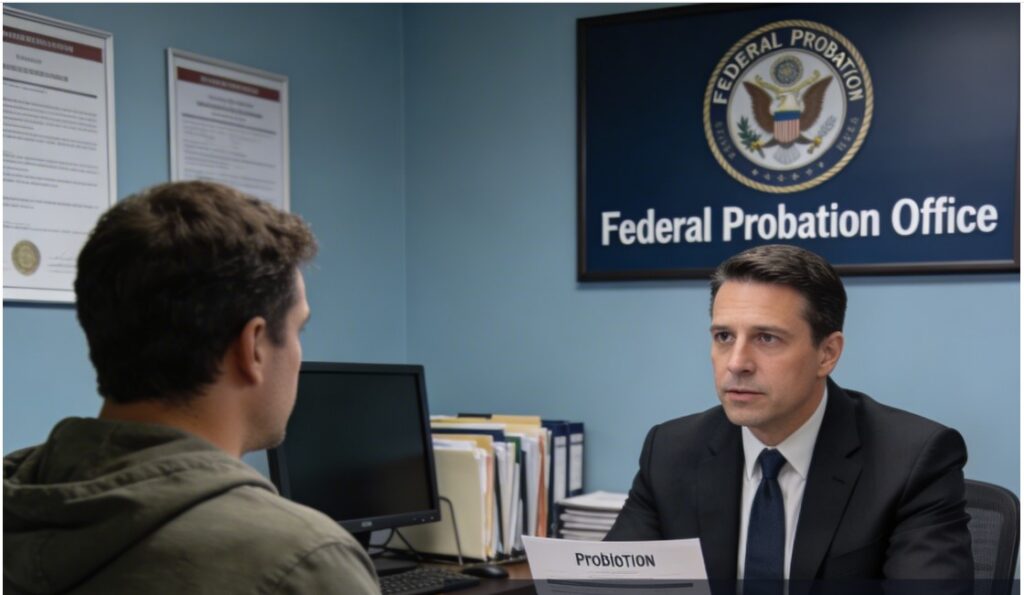
- Probation and Conditions: Even if you avoid jail, you may find yourself on probation and subject to:
- Drug testing
- Community service
- Theft-prevention classes
- Travel restrictions
- Immigration Consequences: A theft conviction can impact visa status, green card eligibility, and naturalization
- Employment and Professional Licensing: While the state of Missouri itself doesn’t necessarily impose restrictions on employment or licensing due to a theft conviction, employers or licensers may still deny you if you’re convicted
- Housing: Again, the state of Missouri itself does not restrict your ability to buy, rent, or lease a home, but a theft conviction may result in denial of housing applications
Defenses Against Theft Charges in Missouri
Combs Waterkotte understands that simply being accused of theft does not automatically mean you’re guilty. Theft charges may be the result of weak evidence, misunderstandings, or even false accusations.
Our experienced Missouri theft defense attorneys will look for ways to challenge the prosecution’s claims by carefully examining every aspect of your case. Some common defense strategies against theft charges in Missouri include:
- Lack of Intent: Theft requires proof that someone intended to deprive the owner of their property or service. If the item was taken accidentally or there was no intent to steal, this may be a valid defense. In fact, intent is often the hardest thing for prosecutors to prove.
- Claim of Right: If you believe you had a legal right to the property in question, this may serve as a valid defense. Even if your belief was mistaken, it may negate the criminal intent requirement.
- Consent: If the alleged victim gave permission, the conduct may not qualify as stealing. This may apply when property was borrowed, there was an agreement to use the item, or the situation was simply understood. Consent removes the “without authorization” element.
- Alibi: If you weren’t present when the crime was committed, that’s a very solid defense. Alibis can be supported by witness testimony, receipts or phone records, or surveillance footage.
- Mistaken Identity: Theft accusations often involve confusion. If you were misidentified, surveillance footage is unclear, or a witness made an honest mistake, this may serve as a good defense.
- Fourth Amendment Violations: If police obtain evidence through an unlawful search (like illegal vehicle searches, unlawful stops, or improper seizure of property), this can exclude key evidence and weaken the prosecution’s case significantly.
- Entrapment: If police induce someone to commit a crime they otherwise would not have committed, that’s entrapment. If you found yourself committing theft at an officer’s behest, this may help your case.
Each theft case is different, and the best defense strategy depends entirely on the details of your specific situation. The Missouri theft charges lawyers at Combs Waterkotte investigate your case thoroughly, analyze the evidence, and fight to get you the best outcome possible. If you are facing theft charges, be sure to contact us at (314) 900-HELP to discuss your options.
How a Missouri Theft Charges Lawyer Can Help You
At Combs Waterkotte, we provide aggressive defense strategies to help protect your rights. Our legal team will:
- Protect your rights early in your case to help prevent damaging statements, ensure police followed proper procedures, and advise you before you speak with investigators
- Challenge the prosecution’s evidence by reviewing surveillance footage, witness statements, and police reports to identify weaknesses, inconsistencies, or unlawful searches and seizures
- Fight to reduce or dismiss charges or attain alternative outcomes depending on the case facts and your legal history
- Negotiate for alternative sentencing options like diversion programs, restitution agreements, or treatment-based resolutions instead of jail or prison time
- Minimize the long-term consequences of your charge by protecting your record and exploring expungement eligibility when possible
A theft conviction in Missouri can have devastating effects on your future if not handled as soon as possible. The sooner you contact a lawyer, the better your chances of a successful outcome.