



Additional Links
- Top 10 DWI/DUI Questions
- Don’t “Blow” Your DWI/DUI Case: Key Mistakes to Avoid
- How Likely is Jail Time for a First Time DUI/DWI Offense in Missouri?
- DWI Attorney: Top Mistakes DWI Defendants Make
- Can a DWI/DUI Be Reduced in Missouri?
- Can You Drive After Being Charged With a DWI/DUI?
- How Long Does a DWI/DUI Stay on My Driving Record in Missouri?
- Should I Blow if I Get Pulled Over for a DWI/DUI in Missouri?
- What Defense Strategies Are Effective in DWI/DUI Cases?
- Everything You Need To Know About DWI/DUI Charges in Missouri

Missouri First-Offense DWI Lawyer
Your First DWI can feel like the end of the world — but it doesn’t have to be. The best way to get out in front of the situation, though, is to know your rights during a DWI traffic stop, cooperate with police officers, and get in touch with a lawyer as soon as you’re able to. A little know-how and some legal assistance goes a long way for your first DWI.
Facing your first DWI charge in Missouri? Call Combs Waterkotte at (314) 900-HELP or reach out to us online. Our experienced Missouri DWI lawyers will review your case and see what they can do to help.
Combs Waterkotte is an award-winning criminal defense law firm serving all of Missouri. We can help you with all the legal hurdles surrounding your first DWI offense. We’ll take you through both the criminal and civil processes involved in a DWI to help you fight your court case and keep your driving privileges.
What Is a First DWI Offense in Missouri?

Under RSMo §577.001, “driving while intoxicated” simply means operating a motor vehicle while under the influence of alcohol or any other controlled substance (like marijuana, benzodiazepines, methamphetamine, etc.). Missouri puts repeat offenders into categories:
- Prior offender (second DWI offense)
- Persistent offender (third DWI offense)
- Aggravated offender (fourth DWI offense)
- Chronic offender (fifth DWI offense)
- Habitual offender (sixth DWI offense)
If you don’t fit into any of these categories and you don’t have a prior DWI charge on your criminal record, you’re a first-time offender. Possible penalties for a first-time DWI offense range from the suspension of your driver’s license to a year-long jail sentence.
Missouri DWI Laws: Blood Alcohol Content Limits and Implied Consent
When facing your first DWI offense in Missouri, it’s important to know and understand the laws at play. Two of the most important are the implied consent law and blood alcohol content limits (i.e., the amount of alcohol in your blood that puts you over the legal threshold).
Implied Consent
The implied consent law laid out in RSMo §577.020 essentially states that, by operating a motor vehicle in Missouri, you automatically agree to chemical tests of your blood, breath, saliva, or urine if:
- You’re arrested under reasonable suspicion of DWI
- You’ve been involved in a car accident that caused death or serious injury
- You’re under 21 and have been pulled over under reasonable suspicion of DWI
- You’re under 21, have been pulled over for a traffic violation, and the officer has reason to believe you are intoxicated after interacting with you
- You’re under 21, have been stopped at a sobriety checkpoint, and police have reason to believe you are intoxicated
Drivers under the age of 21 experience much higher scrutiny under implied consent. If you’re 21 or older, implied consent in Missouri only applies after you’ve been arrested or involved in a serious or fatal wreck.
Blood Alcohol Content Limits
When you drink alcohol, it gets into your bloodstream, increasing the concentration of alcohol in your blood. The amount in your bloodstream is measured by “hundredths of a percent by weight.” The higher the number, the more alcohol there is in your blood (and the more intoxicated you are).
Missouri’s blood alcohol content limits outlines thresholds that apply to certain circumstances:
- .08% is the standard legal limit
- .04% is the legal limit for individuals operating a commercial vehicle
- .02% is the legal limit for individuals under 21
Can I Refuse Tests During a First DWI Offense?
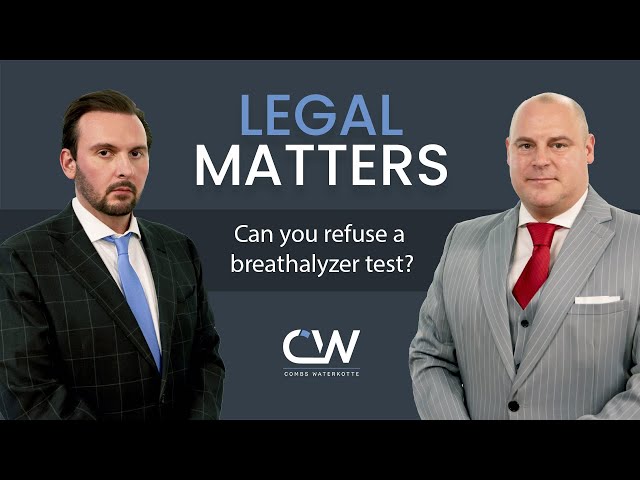
Whether or not you’re allowed to refuse sobriety tests is one of the most important things to understand if you’re facing your first DWI offense.
When it comes to field sobriety tests (e.g., walking heel-to-toe, balancing on one leg, touching your finger to your nose, etc.), you should always refuse them in Missouri. They are completely voluntary, and law enforcement officers do not have a legal right to administer them.
Blood and breath tests, though, are a bit more complicated.
While you technically consent to testing by law by merely operating a vehicle at all in Missouri, you are allowed to refuse implied consent. At that point, a police officer must arrest you in order to test you. Even still, Combs Waterkotte recommends refusing any test without a warrant. If police do eventually acquire a warrant for a blood, urine, breath, or saliva test, you should comply at that point (but not before).
Penalties for a First DWI Offense in Missouri
Provided you don’t severely injure or kill someone while intoxicated, Missouri’s penalties for a first DWI offense aren’t unreasonably harsh, especially with a good first-time DWI attorney handling your case. That said, there are still consequences you should be aware of for your first DWI offense.
Suspended Imposition of Sentence (SIS)
For many first-time DWI offenses, the result is a suspended imposition of sentence (SIS). This essentially means that you enter a guilty plea in exchange for avoiding a conviction or jail sentence. At that point, the court places you on probation for your DWI. A probation violation, though, may result in having to serve your sentence.
Class B Misdemeanor
Under RSMo §577.010, a Class B misdemeanor is the standard outcome for a first DWI offense. The penalties for a Class B misdemeanor include up to 6 months in jail, a fine up to $1,000 (plus potential court costs), probation, and possible community service.
License Consequences
In Missouri, a DWI actually results in two separate sets of legal proceedings: the criminal case (which the courts handle) and an administrative license suspension (handled by the Missouri Department of Revenue).
For your first DWI, you lose your license for 90 days. For the first 30 days, you can’t drive, and for the following 60, you may drive with restricted driving privileges. If you refuse a chemical test during your DWI stop, you also face a 1-year license revocation under RSMo §302.574.
According to Missouri law, you have 15 days to challenge your license revocation through an administrative hearing. Be sure to contact a DWI administrative hearing lawyer as soon as possible after you’ve been charged.
Additional Penalties
- A required Substance Awareness Traffic Offender Program (SATOP)
- An SR-22 certificate of liability insurance from your insurance company
- The installation of an ignition interlock device on your vehicle (in some cases)
Aggravating Factors
In most instances, a first-time DWI offense in Missouri is a Class B misdemeanor. But there are additional factors that may result in harsher penalties, like:
- A blood alcohol content higher than .15% (Class A misdemeanor, up to 1 year in jail)
- An accident involving an injury
- Causing a serious injury is a Class D felony with up to 7 years in prison and a fine up to $10,000
- Causing a death is a Class B felony with between 5 and 15 years in prison
- Excessive speeding (doesn’t result in additional penalties, but may support probable cause, justify harsher Class B misdemeanor sentencing, or come with additional traffic tickets)

Can a First DWI Be Reduced or Dismissed in Missouri?
A good criminal defense lawyer may be able to get your first DWI offense dismissed entirely. A more likely outcome in these kinds of cases, though, is reduction in your sentence. First-time DWIs are often reduced to careless and imprudent driving, and a reduction to this (or another) charge is more likely when:
- Your blood alcohol content is close to the legal limit of .08%
- You didn’t cause an accident
- You don’t have a prior criminal record
- You have a strong employment history
- You have a clean driving history
- There were procedural issues with any field sobriety tests you took
A first DWI offense may also result in the requirement to complete a diversion program.