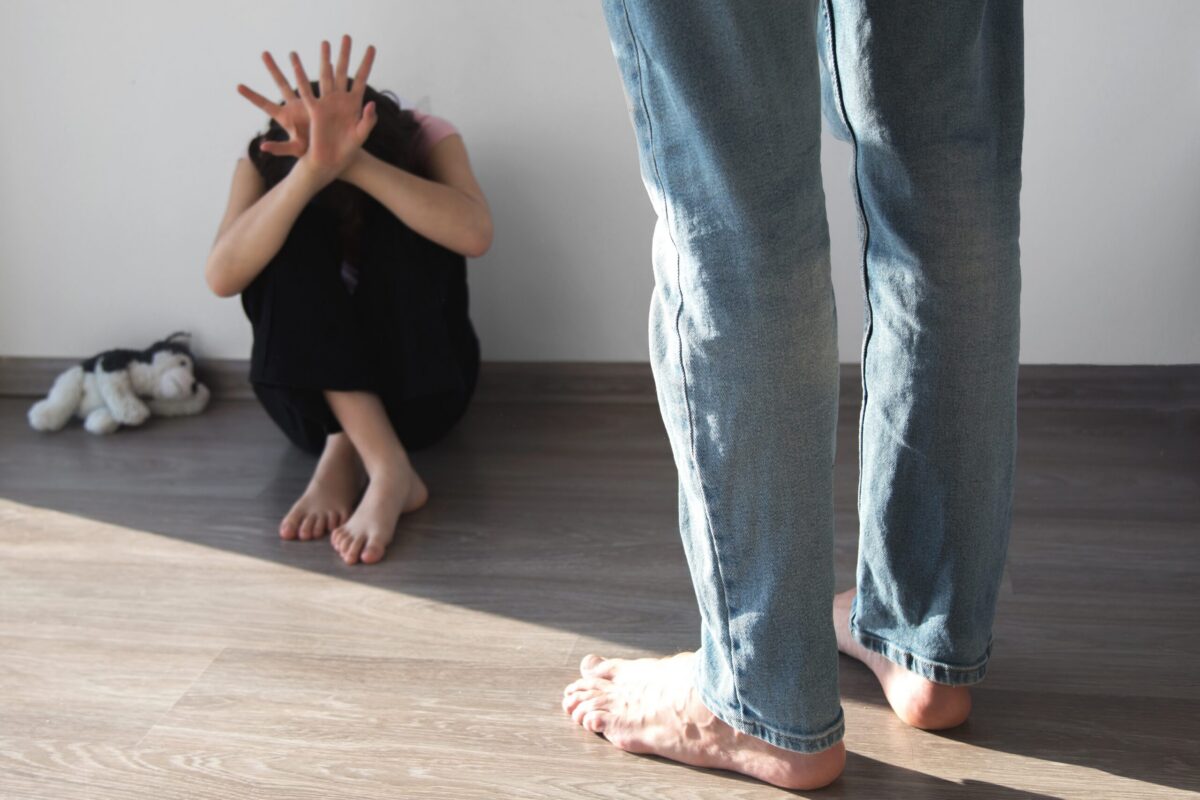







What is a Chicago Child Molestation Charge?
Child molestation can encompass a variety of crimes committed against a person under 17, or 18, depending on the charges.
Examples of common child molestation-related cases include:
- Predatory Criminal Sexual Assault of a Child: A Class X felony, this charge is when an alleged offender, aged 17 or older, commits an act of sexual penetration or sexual contact on a child under 13.
- Aggravated Criminal Sexual Abuse: A Class 2, or 1 felony, this is non-penetrative sexual conduct with a child under 18, often involving an offender over 17/a person in a position of trust.
- Criminal Sexual Abuse: Class A misdemeanor, or Class 4 felony, this is sexual conduct by force, threat or where the victim was unable to consent.
- Indecent Solicitation of a Child: A Class 2 felony, this involves a person 17 or older allegedly soliciting a child (under 17) to perform a sexual act, and often involves the internet.
- Sexual Exploitation of a Child: A Class 2, or 1 felony, this involves forcing a child to remove clothing for sexual gratification, viewing a sexual act or producing child pornography.
If you are facing child molestation charges in Chicago, you should not hesitate to retain the services of a hard-hitting criminal defense lawyer. To speak with our Chicago child molestation lawyers, call us today at (314) 900-HELP.
Understanding Illinois Child Molestation Laws
In Illinois, the age of consent is generally 17 years. There is no statute of limitations for felony criminal sexual abuse or assault cases involving alleged victims under the age of 17, which means that criminal charges can be brought against you at any time.
Additionally, under Faith’s Law, school employees are subject to strict mandatory reporting requirements. Allegations involving students can be reported and escalate quickly, before a full investigation has even taken place. Learn more about Faith’s Law and its reporting requirements (ISBE guidance).
The following factors can elevate a case from a lower-level felony to a more serious (aggravated) charge:
- The child is under 13
- You (the accused) holds a position of trust/authority
- You allegedly used force, threats or coercion
- The alleged victim has a disability
- You are significantly older than the alleged minor victim
Under the Illinois Sex Offender Registration Act (SORA) you will have to register as a sex offender if you are convicted of a child molestation crime. This will result in:
- Registration for 10 years to life
- Being publicly listed on the sex offender registry
- Restrictions on where you live, work or can visit
How Child Molestation Cases Begin in Chicago
These cases often begin with reports or suspicions. From there, an investigation can be launched which can result in criminal charges being filed.
Other beginning aspects of a Chicago child molestation case can include:
- Statements made by a child: Often a child will tell someone about alleged abuse such as their parent/a relative, a teacher or a friend’s parent.
- Reports made by schools/educators: As mandatory reporters, teachers, counselors or school administrators frequently make suspected abuse reports.
- Medical or counseling reports: Doctors, therapists and social workers are other mandatory reporters who frequently make suspected abuse reports.
- DCFS investigations: After they receive a hotline call, the Illinois Department of Children and Family Services may interview the child, visit the child’s home or contact you (the accused) for questioning.
- Police contact: You may receive a phone call from police asking you to come in and talk with them or detectives can show up at your home. Even if you have not been formally charged, this means an investigation is underway and you should not do anything without your criminal defense lawyer by your side.
How Child Molestation Cases are Prosecuted in Chicago
Aggressively prosecuted in Illinois, child molestation cases begin with a law enforcement investigation. If there is sufficient evidence to charge someone, then formal criminal charges may be filed and the case will proceed through the criminal justice system.
From there, a child molestation case can involve potential grand jury indictment and a trial by jury or a bench trial. To prove their case, the state will rely upon evidence such as physical findings, medical examinations and electronic communications.
The legal process in a child molestation case will include:
- A Preliminary Hearing: This is when, following charges, a hearing is held to establish probable cause. Probable cause is the “legal standard under the Fourth Amendment, requiring police to have reasonable, trustworthy facts and evidence to believe a crime has been committed.”
- Pre-Trial: This involves pre-trial motions and discovery (police reports, witness statements, electronic records, forensic reports, etc.), where evidence is exchanged and reviewed by both sides. During this stage, a judge may issue protective orders, no-contact orders or set bail.
- Plea Deal: Many cases resolve before trial through plea agreements.
- Trial: A trial will happen next, whether that be a jury trial or a bench trial. Often, however, a bench trial is chosen to prevent potential juror bias.
- Appeal: You will generally have within 30 days of your sentencing date to appeal. Your notice of appeal must be filed with the circuit court, after which your case will be reviewed for legal errors, such as evidentiary issues or misconduct.
It is important that you retain the services of an experienced Chicago criminal defense lawyer to avoid making any mistakes throughout the legal process. Our team at Combs Waterkotte can ensure your rights are protected and that you receive strategic defense at each stage of your case.
What Types of Evidence are Used in a Chicago Child Molestation Case?
Evidence can include a variety of things in a Chicago child molestation case, whether it be direct or circumstantial. Common types of evidence include forensic medical reports, digital evidence and witness testimony.
How this evidence can be used against you:
- Forensic Medical Reports: This can include documentation of physical injuries, medical examinations or samples of DNA ranging from semen to saliva to blood or hair. These findings can suggest sexual contact or assault.
- Forensic Interviews: These can be done in a child advocacy center or to social workers or DCFS investigators. These reports can contain legally admissible information from a child about the alleged sexual abuse, including either directly described alleged abuse or statements that imply contact or grooming.
- Digital Evidence: Text messages, emails or recordings can show evidence of inappropriate contact, grooming or admissions of guilt.
- Witness Statements: Witnesses can include teachers, therapists, family members or acquaintances who heard about the abuse and/or witnessed changes in the child’s behavior. These statements can corroborate the child’s statements.
- Behavioral Evidence: Psychologists or counselors may be brought in to testify about emotional trauma or behavioral changes evidenced by the alleged victim. This can suggest the child experienced trauma consistent with sexual abuse.
How Your Rights can be Violated During a Chicago Child Molestation Investigation
When you are being investigated for child molestation in Chicago, you need to make sure your rights are upheld.
There are many different ways your rights can be violated during these types of investigations, including:
- You were deceptively interrogated by police
- You were coerced into making statements
- You were illegally searched or items were illegally seized off your person/property
- You were not informed of your rights by DCFS
- You were not informed of your right to an attorney
- You were denied access to evidence collected against you prior to pre-trial proceedings
- You were not properly advised of your constitutional protections under the Fourth, Fifth or Sixth Amendments
If your rights were violated during the investigation or arrest, specific evidence may be suppressed that may result in your case being dismissed.
Penalties for Child Molestation in Chicago, Illinois
Depending on which child molestation crime you are charged with, you could be facing the following penalties:
- Predatory Criminal Sexual Assault of a Child: A Class X felony, this offense comes with a prison sentence of 6-60 years. In other instances, you could also face a life imprisonment sentence if aggravating factors exist (such as if you are 18 or older or you are a repeat offender).
- Aggravated Criminal Sexual Abuse: A Class 2 felony, this comes with a 3-7 year prison sentence, but this charge can be elevated to a Class 1 felony if aggravating factors are present.
- Criminal Sexual Abuse: A Class A misdemeanor, for a first offense involving a victim aged 13-17, this comes with 364 days in jail and up to $25,000 in fines. This can be elevated to a Class 4 felony if the victim is under 13 or if specific sexual conduct occurred.
- Indecent Solicitation of a Child: A Class 1 2, 3 or 4 felony, the penalties you face for this crime will depend upon the severity of your actions. But this offense can come with a 1-15 year prison sentence.