



What is a Child Abuse Charge in Chicago, Illinois?
Investigated by local law enforcement and the Illinois Department of Child and Family Services (DCFS), child abuse is an extremley serious offense that can come with many drastic penalties.
Child abuse charges usually involve the following:
- Child endangerment: This involves placing a child under the age of 18 in danger. Examples of this include leaving him in a car unattended, driving under the influence with a child passenger or failing to remove a child from a violent environment.
- Child abuse: This involves inflicting physical injury or allowing it to be inflicted by non-accidental means, such as through excessive corporal punishment.
- Child neglect: This involves failing to provide basic necessities such as food, shelter and medical care, or leaving a child under 13 unattended for 24 hours or more.
- Sexual abuse: This can include aggravated criminal sexual abuse, which involves sexual conduct with children over the age of 12 or predatory criminal sexual assault, which involves sexual contact with a child under 13 years of age. In Illinois, there is no statute of limitations for prosecuting criminal sexual abuse of children.
- Child torture: This is when abuse causes prolonged pain, suffering or agony.
A child abuse charge can have long-term and catastrophic consequences on yourself and your family. For the experienced Chicago child abuse defense services you need, don't hesitate to give Combs Waterkotte a call now at (314) 900-HELP.
What Happens After I’ve Been Accused of Child Abuse in Chicago?
After you have been accused of committing child abuse in Chicago, the Illinois Department of Child and Family Services (DCFS) begins its investigation, which is usually completed within 60 days.
If the child in question is believed to be in immediate danger, then he/she will be removed from the home or you may be asked to leave. The DCFS report will either be deemed “indicated,” if there is credible evidence of abuse or neglect or “unfounded” if there is not. Within 90 days, you are allowed to appeal an indicated finding through an administrative appeal hearing.
A DCFS investigation can also result in criminal charges, if they refer the case for criminal prosecution.
Penalties for Child Abuse in Chicago
Child abuse can be a misdemeanor or felony offense, depending on the details surrounding your case.
As a general rule of thumb, you can expect the following penalties for child abuse in Chicago:
- Child endangerment: A Class A misdemeanor, penalties can include up to 364 days in jail and a fine up to $2,500. This can be elevated to a Class 3 felony for subsequent offenses. Also, if the endangerment results in a child’s death, then you would be facing aggravated child endangerment, which is a Class 3 felony with a 2-10 year prison sentence.
- Child abuse / child torture: In Illinois, child abuse is usually a Class A misdemeanor for first-time offenders, which comes with 364 days in jail and $2,500 in fines. For subsequent offenses, you would be facing a Class 3 felony, which comes with 2-5 years in prison. If severe physical abuse (extreme injuries, disfigurement, etc.) is involved, however, you could be charged with the aggravated battery of a child, which is a Class X felony, one of the most serious, non-capital offenses in Illinois.
- Child neglect: This can range from a Class A misdemeanor for a first-time offense to a Class 3 felony for subsequent offenses or when severe neglect is involved. If you are facing a Class A misdemeanor, you can expect 364 days in jail and a fine up to $2,500. If you are facing a Class 3 felony, you can expect 2-5 years in prison and up to $25,000 in fines.
- Sexual abuse: Predatory sexual assault of a child is a Class X felony, with a mandatory prison sentence of 6-60 years, or even 50 years to life in some cases.
Other penalties include temporary loss of custody or visitation rights, protective orders, being placed on a state child abuse registry, a permanent criminal record and damage to your reputation.
What Leads to False or Misleading Allegations of Child Abuse in Chicago
In Chicago, there are several different factors that could result in false or misleading allegations of child abuse. Often there are complex and non-malicious situations in play such as:
- Overreporting: Because Illinois law requires teachers, doctors and social workers to report suspected abuse, this can result in misinterpretation of injuries (such as accidental bruises) or reports based on limited information.
- Misinterpretation of medical conditions: Whether a child has a skin condition, bone fragility condition or a bruising disorder, it can be assumed that a child is intentionally being harmed, without a proper medical evaluation.
- Child suggestibility: Younger children are often influenced by “leading questions,” shaping their statements in DCFS investigations. At other times, their confusion over timeline or events can result in false allegations to be seemingly justified.
- Parenting style differences: There can be different opinions on what normal discipline / supervision should constitute. Culture can influence this and sometimes misunderstandings by neighbors, teachers or authorities can result in false allegations.
And at other times, there may be malicious factors in play such as:
- Family conflicts: If one parent routinely or firmly disciplines a child, this can be misinterpreted by an angry ex-partner.
- Custody disputes: If a parent is trying to gain leverage in divorce court, a false allegation of child abuse may be thrown out.
- Emotional trauma and defiance: If a child is in a high-conflict situation and feels hurt or angry, he may fabricate child abuse claims.
- Bias of the reporter: In a personal dispute, where a revenge motive exists or the individual wants to attempt to deflect blame, false allegations of child abuse may arise.
These allegations can have long-term effects upon your family, your employment, your finances and your mental and emotional health. Regardless of what has led up to these false allegations, it is important that you ensure your rights and freedom remain protected.
ullet lists), with no content changes:What to Do Right Now if You’re Under Chicago Child Abuse Investigation
If you are under child abuse investigation in Chicago, you should know that the first steps you take are especially critical.
You should make sure that you:
- Remain calm and don’t panic
- Contact a criminal defense attorney
- Avoid giving detailed statements to DCFS/the police before obtaining legal counsel
- Avoid interfering with the investigation– whether that be contacting the reporter, influencing the child’s statements or destroying any evidence
- Document interactions with investigators and caseworkers (their names and the dates and times of interaction with them and any communications such as texts or e-mails)
- Document everything related to the alleged child abuse (medical records, daycare records, photos, videos or witness statements)
- Follow temporary orders carefully
- Don’t talk to anyone about the case
- If you are the parent of the alleged victim and he/she isn’t removed from your home, you should continue with providing stability and routine
Child abuse investigations move fast and proven legal defense will protect both your peace of mind and your future.
How a Chicago Child Abuse Lawyer can Defend You Against DCFS and Criminal Charges
Because a DCFS investigation frequently overlaps with criminal charges, our Chicago child abuse lawyer can help you navigate both this administrative investigation and the case being built against you by the state of Illinois.
Ways our team at Combs Waterkotte can assist you during this time:
- We can protect your rights
- We can manage your communication with social workers/police
- We can attend interviews with you
- We can prevent you from self-incriminating statements
- We can guide you through the investigation process, adhering to procedures and timelines
- We can challenge evidence such as unsubstantiated claims or unreliable witness testimony
- We can gather evidence in your favor– such as medical, school and third-party records– and interview witnesses who support your side of the story
- We protect your parental rights by representing you in juvenile and family court when abuse or neglect allegations put your custody–and your future–at risk
- We can ensure fair treatment and we’ll fight to protect your record and reputation
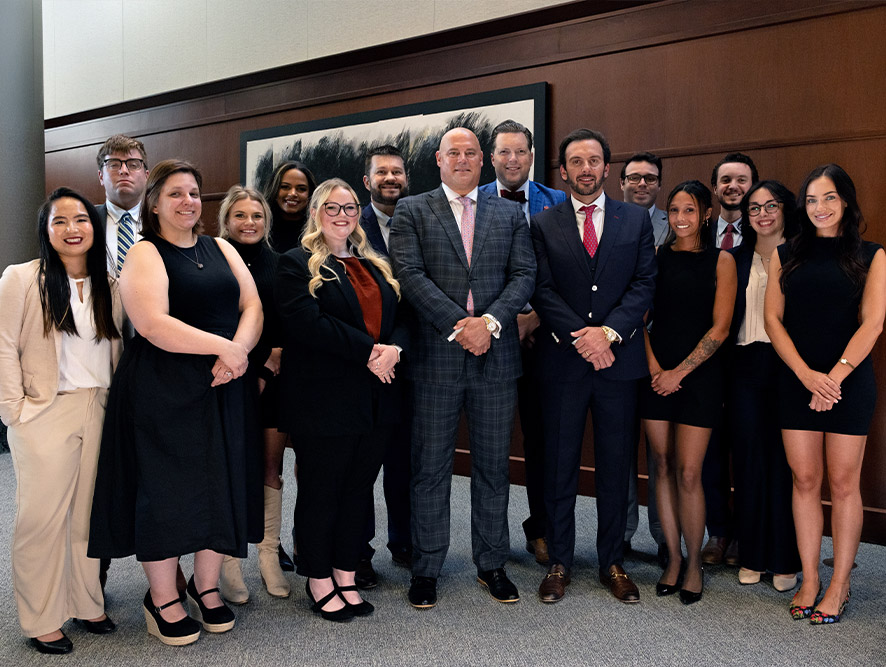
At Combs Waterkotte, we are prepared to protect you at every stage and to be a buffer between you and investigators. Getting us involved early allows us to control the narrative, uphold your rights and prevent small missteps from becoming major legal problems.
Can My Child Abuse Charges be Dropped in Chicago?
In some situations, your child abuse charges may be dropped. This is common when:
- The prosecutor decides not to proceed forward with your case
- There is insufficient evidence against you
- There is evidence that the incident was accidental / not willful neglect or abuse
- Witnesses are unwilling to cooperate with the case
- If the DCFS investigation finds the allegations against you to be unfounded, this may help get your charges dismissed
- We are able to successfully engage in pre-trial negotiations
While many times the victims or parents may request that charges be dropped, the state is the only one with the authority to do so.