
720 ILCS 5/21-5 – Criminal Trespass to State Supported Land
This law makes it illegal to go or stay on government land or buildings after being told not to, or to lie to get access.
This Illinois law says that people can get into trouble if they enter or stay on land or buildings funded by the State after being told not to, or if they lie about who they are to gain access. It also covers trespassing on public transit areas if it causes dangerous delays or property damage.
(a) A person breaks this law if they go onto, or stay on, land or a building paid for by the State or federal funds given to the State after being told not to by the State or its representative. This includes any action that stops someone else from using or enjoying the land or building properly.
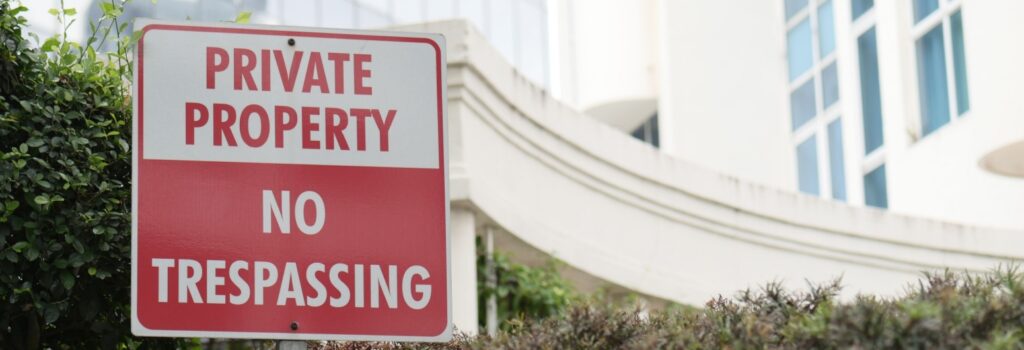
A person is considered “notified” if they were told directly (by voice or writing), or if there was a clearly visible sign saying they may not enter at the main entrance or the forbidden area.
(a-5) A person also breaks this law if they go onto or stay on property used by public transportation systems (like those run by the Chicago Transit Authority) after being told not to, and they mean to cause a delay of more than 15 minutes or to damage the property.
A person is “notified” here if they were told directly (by voice or writing), or if a clear sign was posted at an entrance saying they are not allowed on the property.
In this rule, “right-of-way” has the same meaning as in Section 18c-7502 of the Illinois Vehicle Code.
(b) A person breaks this law if they lie about who they are, or use fake documents to get onto, or stay on, land or a building funded by the State, stopping others from using or enjoying it properly.
This does not apply to police officers or government officials who enter such property as part of their official duties.
(c) Sentence: Usually, this crime is a Class A misdemeanor. But if the violation is under section (a-5), it is a Class A misdemeanor the first time, and a Class 4 felony if someone does it again.
Contact us online or call (314) 900-HELP to talk with a Southern Illinois criminal defense lawyer.

