

If you’re involved in a criminal case in Kansas City and have been offered a plea deal, you’re being asked to choose an outcome — not just respond to an offer.
We’ll walk through:
- What a plea deal really means — and what it doesn’t
- Why early plea offers are often made before the case is fully examined in court
- How leverage, timing, and risk affect plea negotiations
- When a plea deal makes sense — and when it can create lasting problems
Pleas promise finality. They also lock in consequences.
A plea offer usually shows up when:
- Criminal charges are already pending
- Court dates are approaching
- The case has reached a serious decision point
- At that point, you are being asked to give up something in exchange for certainty
For many people, the challenge isn’t understanding the paperwork. It’s deciding whether the deal actually protects them or simply ends the case at a cost they’ll carry long after court is over. That’s why having a Kansas City criminal defense attorney involved before accepting a plea matters.
If you’re facing a plea offer in a Kansas City criminal case, Combs Waterkotte provides focused defense representation at this critical stage. You can contact our firm or call (314) 900-HELP to speak with a defense attorney about your options. Our case results reflect what careful strategy and early involvement can achieve.
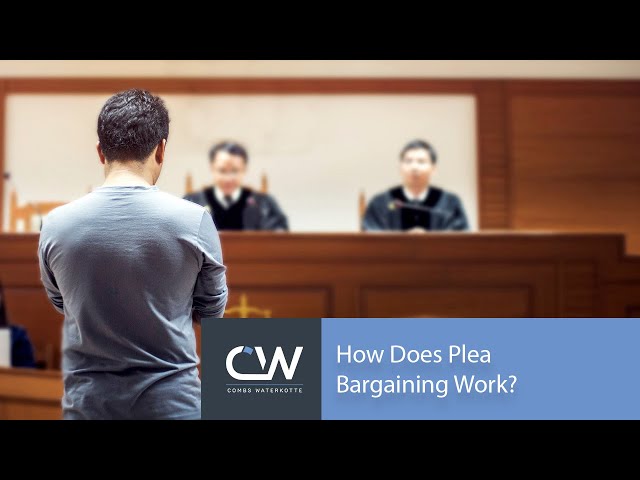
What a Plea Deal Is — and What It Isn’t
Plea deals are shaped by leverage, timing, and risk — not by a full explanation of the facts. Prosecutors often extend offers before all evidence has been examined, before motions are filed, and before weaknesses in the case are exposed.
That doesn’t mean plea deals are inherently bad — it means their value depends on what’s been examined, what hasn’t, and how much leverage still exists.
The gap between what is known now and what could be known later is where many plea bargaining decisions might go wrong.
If you’ve been offered a plea deal, you’re not deciding whether every allegation will be tested in court. You’re deciding to accept a specific legal outcome or to continue contesting the charge.
Every plea deal carries tradeoffs. There are real pros and cons to accepting a plea, and understanding when and why plea deals make sense helps you judge if the offer protects your interests or simply ends the case.
A plea deal is:
- A negotiated resolution that avoids trial
- A binding agreement once accepted
- A criminal conviction, even if jail time is reduced or suspended
- A decision that trades uncertainty for finality
A plea deal is not:
- A finding of truth
- A guarantee of leniency
- A favor from the prosecutor
- A decision you can withdraw later if it feels wrong
Once a plea is entered, the case does not pause for second thoughts. The outcome is locked in, along with long-term consequences that generally cannot be undone except in rare situations involving serious legal error, misconduct, or incompetence.

Why Early Plea Offers Are Made Before a Case Is Fully Examined in Court
Early plea offers are often extended at the point where uncertainty favors the prosecution.
The prosecution often holds the advantage while evidence hasn’t been fully reviewed, motions have not been filed, and weaknesses in the case have not been exposed. From the state’s perspective, this is the moment when pressure works best.
Making an offer early allows prosecutors to:
- Resolve cases quickly without committing resources to trial
- Avoid the risk of evidence being challenged or suppressed
- Lock in a conviction before credibility issues emerge
- Shift risk onto the accused while uncertainty is highest
A plea may be made because the state does not yet know whether the case will hold up in court. In some situations, prosecutors are already aware of weaknesses they would rather not expose without a guaranteed resolution.
For the accused, the pressure runs in the opposite direction. Court dates are approaching. Legal fees are mounting. The threat of harsher penalties is always present. As cases drag on, personal and financial strain increases.
This imbalance is what creates leverage.
An early plea offer asks you to decide how your case ends before key questions are answered — before testimony is contested, before false or suppressed evidence is exposed, before timelines are scrutinized, and before the case on paper is forced to survive a courtroom.
That does not mean early plea offers are always the wrong move. It does mean they are often designed to capitalize on uncertainty rather than resolve it.
Evaluating a Plea Deal in a Kansas City Criminal Case
The real question becomes how you (and your defense attorney) evaluate the plea. The decision usually comes down to comparing known consequences against unknown risk.
A plea deal should only be considered in context. That context includes the strength of the evidence, the charges filed, the penalties attached to those charges, and what is likely to happen if the case continues. For example, plea negotiations are especially common in cases like DWI charges, where evidence strength, prior history, and sentencing exposure heavily influence whether a deal makes sense.
Factors that may get overlooked at this stage are the defenses that still exist. These defenses are your leverage.
An experienced Kansas City criminal defense attorney will help you evaluate the plea with an eye on a few common defenses, including:
- Presumption of innocence
- Self-defense or defense of others
- Duress or coercion
- Entrapment
- Mistaken identity
- Intoxication
- Consent
These defenses don’t guarantee an outcome, but they directly affect how risky a trial really is for the prosecution and how much leverage exists if/when negotiating your plea. Accepting a plea before those issues are explored can mean giving up options you didn’t realize you had.

When a Plea Deal Makes Sense
Plea deals are situational, not only “good/favorable” or “bad/wrong.” Whether accepting one helps or hurts depends on what’s been contested in court, what hasn’t, and how much leverage still exists.
When Accepting a Plea Deal Can Be the Right Move
Accepting a plea deal is often a strategic defense decision, not a surrender.
Common situations include:
- The evidence has been fully reviewed and lawfully obtained
- Key defenses have been explored and realistically weakened
- The potential exposure at trial is significantly worse than the offer
- The plea meaningfully reduces long-term consequences, not just short-term pressure
In these situations, a plea can limit damage, provide certainty, and close the case on defensible terms.
When Accepting a Plea Deal Can Be the Wrong Move
A plea deal can do more harm than good when it’s driven by pressure instead of analysis.
- The evidence has not been fully reviewed or contested in court
- Viable defenses remain unexplored or unresolved
- The plea offers little real reduction in long-term consequences
- The offer is made early to capitalize on uncertainty rather than strength
In these situations, accepting a plea can mean locking in a conviction before the state has been required to prove its case.
The Plea Deal “Tradeoff”
If a plea is accepted, both the prosecution and the defense commit to a final outcome.
- You waive the right to a jury trial
- You accept a criminal conviction
- You lose most opportunities to appeal
- You lock in long-term consequences tied to the plea
A plea does not determine truth. It ends the case and fixes the result, for better or worse.

When to Involve a Kansas City Criminal Defense Attorney About a Plea Deal
If a plea deal is being discussed, the case is already at a turning point. You are no longer deciding what might happen — you are deciding what will happen.
A Kansas City criminal defense attorney helps you take control of that moment. Not to delay the case, but to evaluate what the plea actually resolves, what it gives up, and whether better leverage exists before the decision becomes permanent.
If you’ve been offered a plea deal in a criminal case, contact Combs Waterkotte or call (314) 900-HELP to speak with a Kansas City criminal defense attorney about your options. Getting informed advice before you accept a plea can make the difference between a controlled resolution and unanticipated consequences.