
Federal sex crime defense attorney. Few crimes – if any – carry the stigma and lifelong consequences that sex offenses do. If convicted, you could face decades in prison, hundreds of thousands of dollars in fines, and permanent limitations on where you could live, travel, and work. If you’ve been charged with a federal sex crime or received a target letter from the FBI, you need to call a federal sex crimes lawyer right away to protect your freedoms, future, and reputation.
Combs Waterkotte‘s federal sex crime defense attorneys have over 60 years of experience defending the rights of individuals, including in high-stakes federal sex crime cases. Whether you made a mistake you regret or are facing false allegations, we believe you deserve the dedicated, aggressive defense that is your constitutional right. Whatever charges you’re facing, we won’t judge you, and we offer 100% confidential consultations.
Cases Handled
Over 10,000
Jail Days Saved
Over 1 Million
Google Reviews
400+ Perfect
Legal Experience
Over 60 Years
Call our federal crime defense lawyers at (314) 900-HELP or contact us online to start building your defense today.
On this page:
- What makes a sex crime a federal offense and when federal jurisdiction applies
- The most common types of federal sex crime charges and how they are prosecuted
- The penalties and long-term consequences that come with a federal sex crime conviction
- The kinds of evidence federal agents use in these cases and how that evidence can be challenged
- Key defense strategies in federal sex crime cases, from attacking searches and statements to raising entrapment and mitigation
- How Combs Waterkotte approaches federal sex crime defense and why the lawyer you choose matters
What Is a Federal Sex Crime?
Sex crimes generally involve non-consensual acts (like rape) or sexual acts that are consensual but illegal in and of themselves (like prostitution, sex trafficking, or indecent exposure). Most sex crimes typically fall under state jurisdiction.
Federal sex crimes cover many of the same offenses; however, you’ll have the full strength of the United States government against you instead of just the state.
Federal sex crimes are different from many other charges because the stakes are extremely high. People convicted of these offenses often face:
- Very long prison sentences, sometimes decades
- Mandatory minimum prison terms in certain child exploitation and trafficking cases
- Long periods of supervised release after prison
- Requirements to register as a sex offender
- Restrictions on where they can live and work
- Permanent damage to family relationships, reputation, and employment
When Does a Sex Crime Become Federal?
Most sex crimes are generally charged at the state level. They become federal when there is some connection to federal law, federal property, interstate activity, or national systems such as the internet or the mail.
Some of the most common reasons a sex offense is charged in federal court include:
- Crossing state lines for sexual activity or illegal conduct related to sex
- Using the internet, social media, or apps to commit or attempt to commit a sexual offense
- Using the mail or other interstate services to send illegal material or communicate with victims
- Offenses on federal property, such as a military base, federal prison, national park, or federal building
- Crimes that involve federal interests, such as certain crimes against federal employees or offenses tied to federal programs
Who Investigates Federal Sex Crimes?
Federal sex crime investigations are often handled by agencies with specialized units and large resources. These can include:
- The Federal Bureau of Investigation (FBI)
- Homeland Security Investigations (HSI)
- United States Postal Inspection Service
- Military law enforcement and other federal investigative agencies
If you are contacted by one of these agencies about a sex offense, the situation is already serious. Do not answer questions, give a statement, or consent to a search without talking to a federal sex crime defense attorney.
Free book
Facing Federal Criminal Charges? Why They’re Different and How to Win
Combs Waterkotte, a leading federal criminal defense law firm, has handled over 10,000 cases successfully. This ebook guides you through the federal criminal defense process, how federal charges are different, and how to win.
Types of Federal Sex Crimes We Defend
There are dozens of federal sex crimes found in Title 18 of the U.S. Code. While our federal sex crime lawyers are prepared to defend you against any of them, these are the most common charges we see:
Sexual Abuse and Aggravated Sexual Abuse
Federal law covers sexual abuse and aggravated sexual abuse that involves force, threats, or alleged victims who cannot legally consent. This can include:
- Sexual assault that uses violence or threats of violence
- Offenses where a victim is unconscious, intoxicated, drugged, or otherwise unable to consent
- Sexual abuse of minors or vulnerable adults in certain federal settings
Child Sexual Exploitation and Child Pornography
Federal law is especially strict when it comes to child exploitation. Common charges in this area include:
- Sexual exploitation of children, often called production of child pornography
- Distribution and receipt of child pornography, including sharing material online
- Possession of child pornography, including images or videos on computers, phones, or cloud storage
- Using a minor to create sexually explicit content or live streaming
Production offenses almost always carry mandatory minimum prison sentences. Even possession alone can lead to long prison terms, lifetime supervised release, and sex offender registration.
Online Enticement and Internet-Based Offenses
Child pornography is not the only internet sex crime under Federal law. Common charges include:
- Coercion and enticement of a minor using the internet, text messages, or apps
- Traveling to meet someone believed to be a minor for illegal sexual activity
- Sending sexually explicit material to someone believed to be a minor
- Attempt offenses involving undercover operations or “sting” cases
Often, these cases involve undercover agents pretending to be minors online. Even when no actual child is involved, the government can still bring serious charges just for allegedly attempting to meet someone you thought was a minor.
Sex Trafficking of Adults and Minors
Federal sex trafficking laws are broad and carry some of the most severe penalties in the criminal code. Sex trafficking typically involves:
- Using force, threats, or coercion to make someone engage in sexual activity in exchange for money, shelter, drugs, or anything of value
- Recruiting, transporting, housing, or controlling a person so they can be exploited for sexual purposes
- Any sexual activity involving a minor where something of value is exchanged, even if no force or threats are used
Federal sex trafficking charges can lead to decades in prison and lifetime registration.
Kidnapping and Transport for Sexual Purposes
Some federal sex crime cases involve moving a person across state lines or holding them against their will. Examples include:
- Kidnapping tied to sexual offenses
- Transporting someone across state lines for illegal sexual activity
- Using threats, fraud, or force to move victims for exploitation
How Is a Federal Sex Crime Different from a State Sex Crime?
Federal sex crimes are different from state sex crimes because they are handled in a different court system, involve different rules, and often carry much harsher penalties.
Key differences:
- Federal sex cases are heard in federal district courts in front of federal judges and prosecutors.
- Federal rules of evidence and procedure are more complex than in state courts.
- Federal courts and investigators have a much higher budget than most state courts and law enforcement, along with specialized technology, digital forensics labs, multi-team task forces, multi-state investigations, and undercover agents.
- The United States Sentencing Guidelines often have harsher sentences and higher mandatory minimums, and sentences can be increased substantially based on the age of the victim, use of those, number of victims/images, and other aggravating factors.
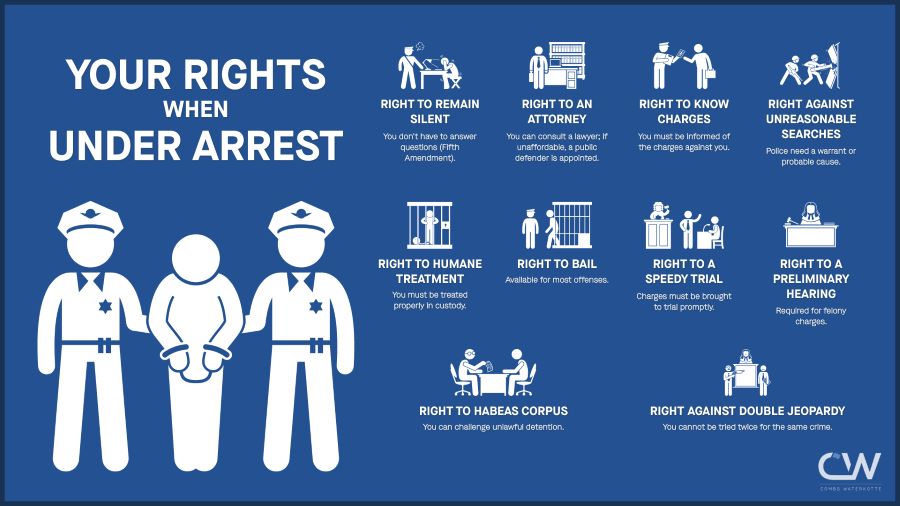
Penalties and Consequences in Federal Sex Crime Cases
Penalties for federal sex crimes are often measured in years or decades, and the impact rarely ends when a person is released from prison.
Prison Sentences and Supervised Release
Many federal sex crimes carry:
- High maximum prison terms
- Mandatory minimum sentences that limit a judge’s flexibility
- Long periods of supervised release, sometimes for the rest of a person’s life
Supervised release often includes strict rules about movement, internet use, treatment programs, and close monitoring by probation officers.
Sex Offender Registration and Restrictions
Most federal sex offenses require registration as a sex offender. Registration can lead to:
- Publicly available information about your case
- Limits on where you can live or work
- Frequent reporting and verification requirements
- Difficulty in finding work and housing because of background checks
Collateral Consequences
The consequences of a sex crime conviction go far beyond the court’s sentence:
- Loss of current employment
- Loss of professional licenses and certifications
- Damage to family relationships and parenting or custody issues
- Immigration problems for non-citizens, including removal
- Social isolation and long-term stigma
What Evidence Is Used in Federal Sex Crime Cases?
Federal sex crime cases usually rely on a mix of digital evidence, witness statements, and forensic proof. Understanding how this evidence was collected and how it is being used is a key part of building a defense.
Common Types of Evidence
- Digital evidence such as phone data, computer hard drives, cloud accounts, chat logs, emails, and social media messages
- Image and video files, including metadata and file history
- Forensic evidence like DNA, fingerprints, and medical examination records
- Statements from alleged victims and witnesses, including interviews and recorded calls
- Undercover communications in sting operations, including recorded chats and calls with agents
How the Government Collects Evidence
Federal agents often use tools such as:
- Search warrants for homes, vehicles, devices, and online accounts
- Subpoenas to internet service providers, social media platforms, and banks
- Undercover profiles in chat rooms, apps, and websites
- Wiretaps or recorded conversations in some investigations
How a Defense Attorney Challenges the Evidence
A strong defense in a federal sex crime case often focuses on how the evidence was obtained and how reliable it is. A defense attorney may:
- Argue that searches or seizures violated constitutional rights
- Challenge the validity or scope of search warrants
- Question whether the government can prove who actually used a device or account
- Attack the methods and conclusions of digital forensic examiners
- Highlight inconsistencies or bias in witness or victim statements
Defense Strategies in Federal Sex Crime Cases
The best possible defense in your case will be based on your specific situation and charges. A skilled federal sex crimes defense attorney will look at the evidence, the investigation, and your life story to work towards the best possible outcome in your case.
- Challenging searches and seizures
- Warrants lacking probable cause
- Searches that went beyond what was authorized
- Consent or “walk-through” searches that were not truly voluntary
- Challenging statements
- Statements taken without proper warnings
- Statements made after pressure or coercion from agents
- Challenging digital and forensic evidence
- Whether the accused actually used the device or account
- How data was collected, stored, and analyzed
- Reviewing the government’s work with independent experts
- Disputing intent, consent, and knowledge
- Messages or conduct that do not show criminal intent
- Age or consent issues where the law allows those arguments
- Whether you knew key facts or legal status
- Entrapment and government overreach
- Agents pushing conduct the accused would not have initiated
- Overly aggressive undercover tactics
- Negotiating reduced charges or sentences
- Reducing the number or severity of charges
- Improving the sentencing guideline range
- Limiting long-term supervised release conditions through mitigation
While we know it feels intimidating going up against the full strength of the U.S. government, the federal sex crime defense attorneys at Combs Waterkotte know how to fight back. We will stand between you and the government and fight for the best possible resolution to your case, even if that means fighting for a “not guilty” verdict in federal court.
Why Choose Combs Waterkotte for Your Federal Sex Crime Defense?
Federal sex crime cases demand only the fiercest, most aggressive, and most experienced attorneys. Combs Waterkotte has built a reputation for taking cases other firms won’t even touch. When your future, freedom, and reputation are on the line, you need a firm that won’t back down, regardless of the steaks.
We offer:
- Decades of combined federal criminal defense experience: Our federal sex crime defense attorneys have handled complex, high-stakes federal cases involving digital evidence, multi-agency investigations, mandatory minimums, and sensitive allegations.
- A team that knows how the government thinks: Our team includes two former prosecutors with experience on the other side of the aisle in violent and high-stakes sex crime cases, including crimes against children. We already know how the government’s strategy. One of our attorneys was one of just 25 prosecutors nationwide selected to attend the The Secret Service National Computer Forensic Institute.
- Access to top experts and investigative resources: In addition to our own expertise, we employ trusted digital forensic specialists, medical and psychological experts, and experienced investigators to challenge the government’s narrative and strengthen your defense.
- Clear, honest, client-centered communication: We’ll let you know what’s happening and what to expect at every stage of your case. We don’t charge by the hour, and you’ll have the personal cell number of the attorney leading your defense, so you can call us any time day or night with questions about your case at no extra charge.
- Relentless advocacy—inside and outside the courtroom: We’ll seek for dismissals, negotiate to reduce charges, or take your case in front of a judge and jury at trial, fighting for the best possible outcome and protecting your rights at every turn.
- Complete discretion and confidentiality: We rigorously guard your privacy and approach every case with the respect and sensitivity it deserves.
When the rest of your life is at stake, choosing the right defense team matters. To the government, you’re just a case number. To other criminal defense firms, you’re just a desk file. At Combs Waterkotte, you are the reason we exist.

Call a Federal Sex Crimes Defense Attorney to Start Building Your Defense Today
If you are under investigation or have been charged in federal court with a sex related offense, do not face it alone. Every second counts, and every action matters.
Reach out to a federal sex crimes defense attorney as soon as possible to get confidential advice about your rights and your options. Early help can make a major difference in how your case is built, how the evidence is challenged, and how your future is protected. Call us at (314) 900-HELP or contact us online for a free consultation.